
We respectfully acknowledge the many distinct Aboriginal nations, cultures, communities and Elders across Australia, past and present.
Readers should be aware that this publication may contain images, names, voices, or references to deceased persons.
The Aboriginal Market Review contains commentary, analysis, opinion pieces, cultural discussions, and externally sourced material. Views expressed are those of the authors and contributors.
All content remains protected by copyright and may not be reproduced, distributed, or republished without permission.
By entering this publication, you acknowledge and accept these terms.

Source: Thiess

Across housing, land management, cultural tourism, renewable energy and community services, Indigenous organisations are increasingly being asked to combine cultural authority with commercial discipline. The winners will be those that can protect community control while building professional systems, balance sheets and partnerships.
Summary: Procurement linked to resources and infrastructure is creating larger, more complex opportunities for Traditional Owner and Aboriginal-controlled businesses. The immediate challenge is no longer visibility, but scale, governance, working capital and the capacity to deliver safely under major contractor standards.
Western Australia remains the clearest example of Indigenous enterprise moving from participation to commercial significance. As procurement flows grow, businesses need stronger systems for tendering, mobilisation, insurance, financial reporting and board oversight.
For PBCs and Aboriginal Corporations, the opportunity is not just supplier revenue. It is the creation of durable enterprise platforms that can employ locally, retain margin on Country and support intergenerational asset protection.
Summary: Remote communities need service models that treat transport, food security, housing maintenance, interpreter services and community safety as integrated infrastructure rather than isolated grant programmes.
The Northern Territory continues to show the cost of fragmented delivery. The commercial opportunity lies in community-controlled platforms that can aggregate demand, build local workforce capability and use longer-term contracts to create reliable employment pathways.
Investors and governments should recognise that remote service delivery is not a marginal activity. It is a core economic system that determines health, employment, education and social outcomes.


Summary: NSW continues to play an important role in Aboriginal media, professional services and urban enterprise. As procurement rules tighten, verified Indigenous businesses with strong market positioning will benefit from clearer pathways into government and corporate supply chains.
For Aboriginal media and professional service businesses, credibility and independence remain valuable commercial assets. The sector is increasingly important in communications, community engagement, research, advisory work and policy translation.
The opportunity is to convert voice into enterprise, while avoiding over-reliance on short-term campaign funding.
Summary: Queensland’s growth corridors and regional communities create a major opening for Indigenous-led housing, SDA accommodation, maintenance, construction and social infrastructure platforms.
The strongest opportunities sit where community need, government funding and commercial investment overlap. SDA housing, social housing maintenance, civil works and regional infrastructure can all support recurring revenue if structured properly.
Boards should avoid treating housing purely as a property play. For community-controlled organisations, housing is also linked to workforce participation, health, disability support and family stability.
Summary: Tasmanian Aboriginal organisations are increasingly focused on owned assets, cultural tourism, community facilities and place-based enterprise. The shift from programme delivery to asset-backed strategy can strengthen control and sustainability.
Asset ownership creates both opportunity and responsibility. Property, tourism sites, community facilities and commercial premises require maintenance planning, insurance, governance, occupancy strategy and long-term funding discipline.
The most successful models will connect cultural integrity with credible business planning and measurable local benefit.
Summary: South Australia’s Voice model creates a practical test of whether formal representation can influence housing, health, justice, education and economic development outcomes.
The commercial relevance is often overlooked. Effective representative structures can shape procurement priorities, programme design and investment flows. Weak structures risk becoming symbolic rather than operational.
Indigenous organisations should watch how consultation, data, accountability and funding decisions connect in practice.
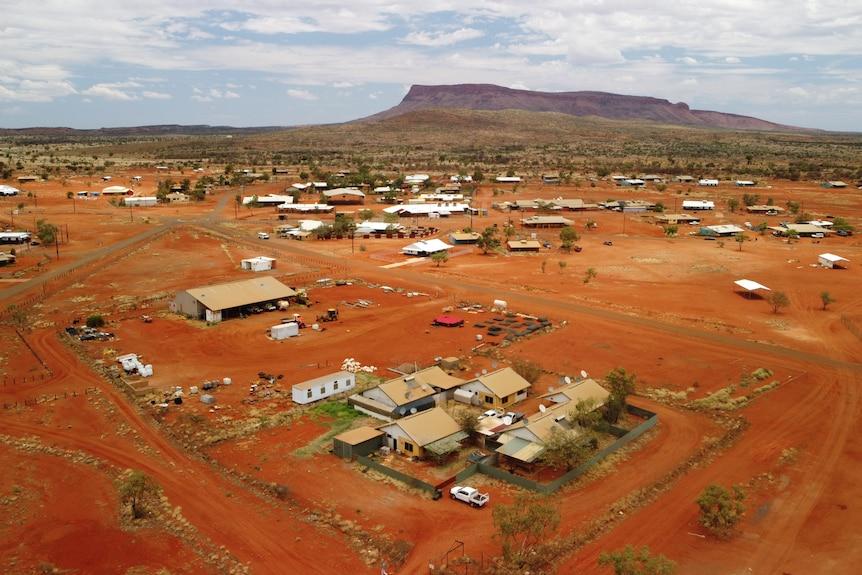
Roads, housing, community facilities and maintenance pipelines are creating opportunities for Aboriginal-controlled contractors, but mobilisation finance and skilled labour remain constraints.
Explore more ↗Resource-linked procurement can create significant cash flows, provided contracts are structured to build local capability rather than merely pass through revenue.
Explore more ↗Coastal resilience, transport, housing and essential services require long-term capital planning that respects local governance and climate exposure.
Explore more ↗Community stores, freight systems and nutrition programmes should be treated as economic infrastructure with operational and governance requirements.
Explore more ↗Tourism can generate income where intellectual property, cultural authority and visitor experience are controlled by Aboriginal.
Explore more ↗Metropolitan Indigenous businesses are increasingly competitive in professional services, ICT, consulting, construction and training.
Explore more ↗Regional Aboriginal economies are shaped by a practical contradiction. Demand for Indigenous suppliers, community-controlled service providers and Aboriginal participation has never been stronger, yet the capital base and operating systems required to meet that demand remain uneven. Procurement targets can open doors, but they do not automatically fund vehicles, plant, payroll, insurance, bid costs or senior management capacity. For many Aboriginal Corporations and PBCs, the most important economic question is therefore not whether opportunity exists, but whether the organisation has the balance sheet and governance system to take it safely.
Housing and infrastructure gaps continue to sit at the centre of regional economics. Poor housing reduces workforce participation, increases health costs and undermines education outcomes. Conversely, local housing delivery, maintenance and community infrastructure projects can create recurring employment and supplier capability. Similar logic applies to ranger programmes, cultural tourism, remote logistics, health services, disability support and renewable energy projects. These are not separate policy categories; they are linked economic systems.
Capital formation remains the missing layer. Community-controlled entities need patient capital, board-approved investment policy, reserve strategies and professional reporting. Without these foundations, organisations can win contracts and still expose themselves to cash-flow stress, compliance risk or reputational damage. With the right structure, however, Aboriginal organisations can convert procurement demand, land assets, government funding and commercial partnerships into durable, locally controlled economic platforms.

Indigenous enterprise is entering a more demanding phase. The policy environment is supportive, procurement commitments are expanding, and corporate Australia is increasingly aware that Indigenous participation must be genuine, verified and capable of delivering at scale. Yet the centre of gravity is shifting from access to execution. Businesses that can demonstrate governance, working capital discipline, management depth and cultural integrity will be best placed to convert opportunity into durable enterprise value.
For Aboriginal Corporations and PBCs, the strategic challenge is different from that faced by ordinary private companies. Commercial activity must be aligned with community expectations, cultural authority, member benefit, asset protection and long-term stewardship. That creates a more complex governance environment, but also a stronger purpose base. The best organisations are building investment committees, procurement subsidiaries, risk registers, related-party protocols and transparent board reporting to ensure commercial growth does not undermine community trust.
Capital markets are increasingly relevant. Indigenous businesses seeking to scale into construction, facilities management, renewable energy, SDA housing, logistics or professional services require capital beyond grants. They need working capital, asset finance, joint-venture equity, acquisition finance and reserve management. Investors will look for clean structures, verified control, reliable financials and strong management. Community leaders will look for cultural safety, retained ownership and visible benefit.
The next decade will favour enterprise platforms: businesses that can combine procurement demand, professional systems, local workforce development and recurring revenue. These platforms may emerge through organic growth, acquisition-led consolidation, joint ventures or community-backed investment vehicles. The opportunity is substantial, but discipline matters. Scale without controls can destroy value. Governance without commercial execution can miss opportunity. The strongest Indigenous enterprises will do both.

Investment readiness means more than a pitch deck. It requires clean accounts, tax compliance, board approvals, customer evidence, margin analysis, cash-flow forecasts and a clear explanation of how capital will create sustainable returns.

Procurement creates revenue pathways, but larger contracts demand systems. Indigenous suppliers need mobilisation funding, WHS processes, insurance, performance reporting and contract management capacity.
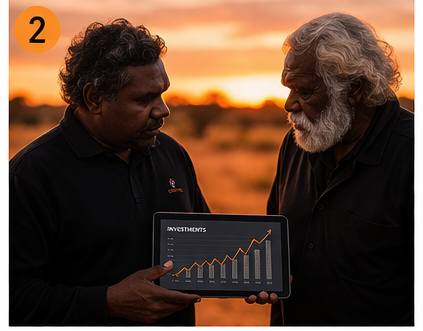
Boards must understand trading risk, subsidiary structures, conflicts, reserves, debt, guarantees and director duties. Commercial ambition must be matched by decision discipline.
Women-led businesses and leadership programmes are strengthening the enterprise ecosystem. The opportunity is to align mentoring, procurement access, childcare, flexible capital and board pathways.
Explore more ↗Renewable energy on Country can deliver lease income, equity participation, jobs and offtake opportunities where Aboriginal are involved early and commercially.
Explore more ↗Housing can be an investable social infrastructure class if tenancy, support services, maintenance and capital structures are properly integrated.
Explore more ↗Digital tools can improve service delivery, compliance, community engagement and financial reporting for remote and regional organisations.
Explore more ↗Tourism models must protect cultural authority and intellectual property while creating quality visitor experiences and local employment.
Explore more ↗Acquisitions can accelerate procurement capability, but boards need valuation discipline, integration plans, debt controls and cultural alignment.
Explore more ↗| Investment readiness area | What investors expect | Board question |
|---|---|---|
| Financials | Current accounts, cash-flow forecasts, margin evidence | Can we explain profitability by contract? |
| Governance | Clear approvals, conflicts register, delegations | Who can commit the organisation? |
| Market | Confirmed demand and customer pipeline | Is growth recurring or one-off? |
| Impact | Measurable community benefit | How is benefit reported to members? |

Strategic Capital Investments and Asset Protection frameworks: Designed to safeguard, grow, and responsibly deploy Aboriginal' wealth for long-term community benefit.
Culturally aware and respectful: Adviser to several PBC's, Aboriginal Corporations, communities and individuals.
Governance: Best-practice frameworks and board-level advisory.
Cash & Treasury Management: Supporting treasury frameworks to manage reserves, liquidity and eligible funding through structured cash strategies.
Example: Grant or reserve capital can be deployed into structured and callable cash-aligned investments (subject to mandate) with currents rates at >11%.
Regulatory Compliance:
Selected Applications:
Source: Western Australian Government
Read sourceSource: National Indigenous Times
Read sourceSource: National Indigenous Times
Read sourceSource: Department of the Prime Minister and Cabinet
Read sourceSource: ABC News & Headlines – Australian Broadcasting Corporation
Read sourceSource: ABC News & Headlines – Australian Broadcasting Corporation
Read source
Grant funding remains a major source of operating capacity for Aboriginal Corporations, PBCs, community-controlled organisations and Indigenous service providers. The opportunity is significant, but funding should not be treated as easy money. Each grant creates delivery obligations, reporting duties, acquittal requirements, milestone risk and board accountability.
The strongest organisations treat grants as part of a wider capital strategy. They match funding to community priorities, avoid unfunded delivery commitments, maintain clean records and ensure programme outcomes are reported clearly to members, funders and boards.
Boards should be particularly alert to cash-flow timing, restricted funds, staff capacity, subcontractor obligations, data collection, conflicts of interest and whether the organisation can safely deliver what has been promised.
Monitor open grant rounds, eligibility requirements, application deadlines and reporting obligations before committing organisational resources.
Explore moreCommonwealth grants guidance, acquittal standards and milestone reporting requirements continue to evolve. Boards should review funding agreement changes before approving new programmes.
Explore moreNIAA funding remains central to many Indigenous programmes. Organisations should monitor new programme rules, delivery expectations and community benefit reporting.
Explore moreCharities receiving grant funding should ensure programme revenue, restricted funds, related-party matters and acquittals are properly reflected in governance reporting.
Explore moreAboriginal corporations should ensure grants are supported by clean delegations, board approvals, financial records and member-focused reporting.
Explore moreEnterprise grants can support capability, equipment, training and growth, but should be assessed against strategy, cash-flow and delivery risk.
Explore more| Grant risk area | Board question | Control response |
|---|---|---|
| Acquittals | Can we evidence every dollar spent? | Monthly milestone and expenditure reporting |
| Cash flow | Are we funding delivery before grant receipts? | Cash-flow forecast and reserve approval |
| Delivery capacity | Do we have staff and systems to deliver? | Programme plan and accountable executive |
| Restricted funds | Are funds being used only for approved purposes? | Separate tracking and board oversight |

Policy watch: Closing the Gap implementation, Indigenous procurement verification and place-based funding continue to shape the operating environment. Boards should monitor new programme rules, reporting expectations and funding conditions as they are announced.
Explore morePolicy watch: NDIS reform continues to affect culturally safe access, remote service delivery and provider registration. Indigenous providers should track participant pathway changes, pricing updates and support coordination settings.
Explore moreRegulatory watch: ACNC reporting, governance standards and related-party disclosure expectations remain active compliance issues for charities. Aboriginal community-controlled organisations should monitor guidance releases and annual information statement deadlines.
Explore moreRegulatory watch: ASIC scrutiny of financial advice, misleading conduct, company disclosure and director duties remains relevant to Indigenous investment vehicles, subsidiaries and commercial partnerships.
Explore moreRegistry watch: ORIC updates on CATSI Act reporting, governance training, special administrations and compliance activity should be monitored by Aboriginal corporations seeking funding, contracts or commercial partnerships.
Explore moreIntegrity watch: Procurement integrity, conflicts of interest and grant administration continue to attract anti-corruption scrutiny. Organisations should maintain clean records, documented decisions and transparent conflict processes.
Explore moreProcurement policy watch: Indigenous Procurement Policy settings are increasingly focused on genuine ownership, control and benefit. Suppliers and partners should monitor verification requirements and black-cladding enforcement activity.
Explore moreNative title watch: Agreement-making, PBC capacity, consultation expectations and benefit-management arrangements remain central to commercial negotiations. Boards should track tribunal updates and native title policy developments.
Explore moreGovernance watch: Related-party transparency is a live issue for charities, corporations and community-controlled entities. Directors should expect stronger documentation, disclosure and abstention standards.
Explore moreSafeguarding watch: Child safety settings are evolving across service delivery, education, youth and community programmes. Providers should monitor screening, incident reporting and culturally safe safeguarding guidance.
Explore moreData governance watch: Privacy, cyber incidents and sensitive community data risks are now board-level issues. Organisations should monitor OAIC guidance, breach notification requirements and cyber resilience alerts.
Explore moreWorkplace policy watch: Fair Work changes, wage obligations, psychosocial safety and cultural safety expectations affect Aboriginal corporations, service providers and growing Indigenous businesses.
Explore moreGrant policy watch: Commonwealth grants guidance, acquittal standards and milestone reporting requirements continue to evolve. Boards should monitor funding agreement changes before approving new programmes.
Explore moreDirector duty watch: Directors remain exposed where growth outpaces controls. Monitor ASIC, ORIC and ACNC updates on solvency, conflicts, reporting and governance accountability.
Explore moreConsent and ethics watch: Consultation standards, research ethics and community authority expectations continue to influence projects involving Country, data, culture and community knowledge.
Explore more| Risk area | Heat | Board response |
|---|---|---|
| Black cladding | High | Verify control, ownership and benefit |
| Grant acquittals | High | Monthly milestone reporting |
| Cyber/privacy | Medium | Data map and incident plan |
| Related parties | Medium | Register and abstention protocols |
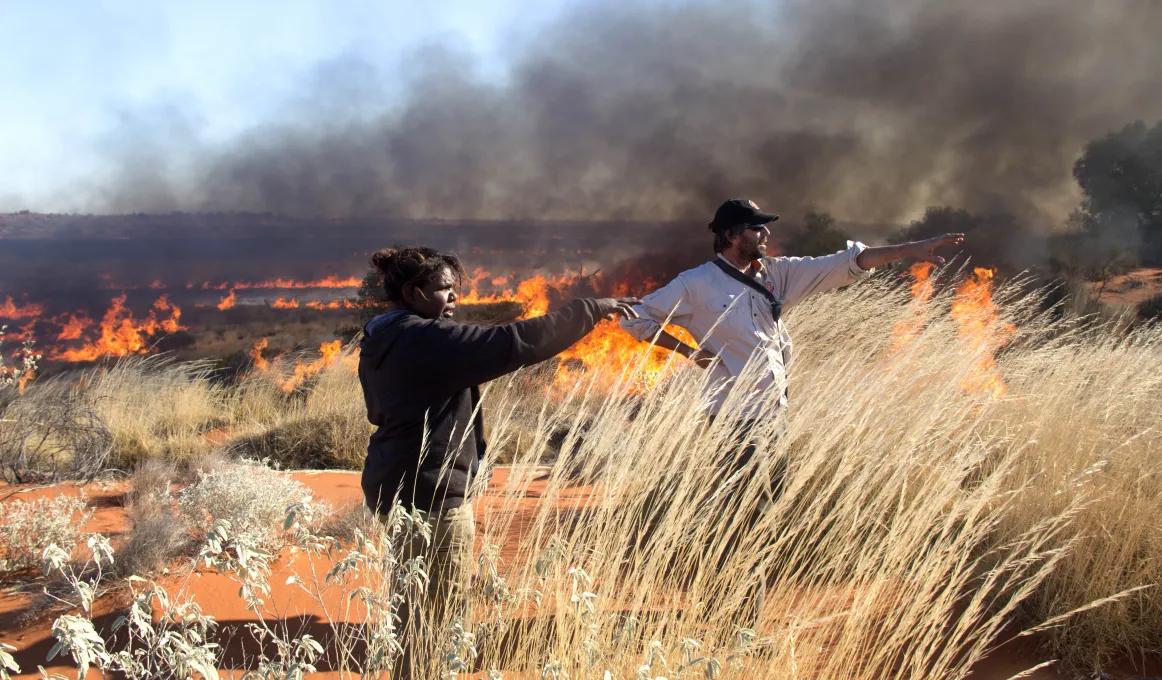
Country is not simply a cultural reference point. It is an asset base, governance responsibility, environmental system and economic platform. Aboriginal rights and interests across land and sea create opportunities in conservation, cultural tourism, pastoral operations, renewable energy, carbon, biodiversity, water, ranger employment and infrastructure. The challenge is ensuring commercial models respect cultural authority and do not reduce Country to a commodity.
Carbon and nature markets are drawing increasing attention, but they require careful due diligence. Methodology, permanence, legal title, benefit sharing, monitoring and community consent must be understood before projects are approved. Similar issues arise in renewable energy, where early engagement, equity participation, cultural heritage protection and long-term obligations are crucial.
The strongest models treat Country as infrastructure: a living system that supports employment, climate resilience, food, water, biodiversity, culture, tourism and identity. Funding should therefore be designed to maintain and enhance that infrastructure over decades, not short project cycles.

Ranger work connects employment, cultural knowledge, biodiversity, fire management and community leadership.

Savanna burning and land management methodologies can generate income, but permanence and benefit sharing require discipline.

Solar, wind and storage projects should provide more than access rights: equity, jobs, training and governance participation matter.
Water planning affects culture, food systems, environment and economic development. Cultural flows require genuine authority and resourcing.
Explore more ↗IPAs formalise stewardship and can attract funding, employment and biodiversity outcomes.
Explore more ↗Pastoral assets can combine grazing, carbon, tourism and cultural access where management capability is funded.
Explore more ↗Flood, cyclone and heat exposure require infrastructure planning, emergency systems and climate adaptation investment.
Explore more ↗Heritage is not a compliance obstacle. It is a governance responsibility and a core element of project legitimacy.
Explore more ↗| Asset class | Revenue pathway | Governance issue |
|---|---|---|
| Carbon | Credit sales | Consent, permanence, methodology |
| Tourism | Visitor income | Cultural authority and IP |
| Renewables | Lease, equity, jobs | Negotiation capacity |
| Ranger work | Programme funding | Long-term employment model |
| Pair | Rate | Change |
|---|---|---|
| USD/AUD | 1.4372 | 0.950% |
| USD/GBP | 0.7523 | 0.380% |
| USD/EUR | 0.8674 | 0.360% |
| USD/JPY | 159.58 | 0.230% |
| Asset | Price | Market Cap | Change |
|---|---|---|---|
| Bitcoin | $68,143.64 | $1.36T | -1.46% |
| Ethereum | $2,038.54 | $246.03B | -3.31% |
| Tether | $0.9999 | $184.17B | 0.01% |
| Solana | $85.87 | $49.13B | -2.61% |
| Commodity | Price | Change |
|---|---|---|
| Gold | 4239.84 | -8.02% |
| Silver | 62.175 | -10.75% |
| WTI Crude | 100.33 | 2.10% |
| Brent Crude | 113.76 | 1.57% |
| Index | Level | Change |
|---|---|---|
| Dow Futures | 45302 | -1.56% |
| Dow | 45598.46 | -0.96% |
| S&P | 6530 | -0.62% |
| Nikkei | 51515.49 | -3.48% |
| Hang Seng | 24234.37 | -4.13% |
| FTSE 100 | 9918.33 | -1.44% |
| Country | Current | Previous | Target | GDP | Growth |
|---|---|---|---|---|---|
| Australia | 3.8% | 3.8% | 2.5% | $1,752B | 80% |
| United Kingdom | 3.0% | 3.4% | 2.0% | $3,644B | 10% |
| Euro Area | 1.9% | 1.7% | 2.0% | $16,406B | 20% |
| United States | 2.4% | 2.4% | 2.0% | $29,185B | 70% |
| China | 1.3% | 0.2% | 2.0% | $18,744B | 120% |
| Country | Population | Jobless | Debt/GDP | Current Account |
|---|---|---|---|---|
| Australia | 27.40m | 4.3% | 43.80 | -2.90 |
| United Kingdom | 69.49m | 5.2% | 93.60 | -2.20 |
| United States | 342.28m | 4.4% | 124.30 | -3.90 |
| China | 1405.00m | 5.3% | 88.30 | 2.20 |
| Currency | Benchmark | Rate |
|---|---|---|
| USD | SOFR | 4.29 |
| EUR | €STR | 2.174 |
| GBP | SONIA | 4.21 |
| JPY | TONAR | 0.77 |
| AUD | AONIA | 4.00 |
For Indigenous organisations, the rate cycle matters because it changes the cost of debt, the return available on cash reserves and the hurdle rate for projects. A higher-rate environment rewards disciplined treasury management and penalises under-costed capital works. Boards should know the interest sensitivity of loans, leases and project finance before approving expansion.
Inflation affects programme delivery directly. Construction, food, fuel, insurance and wages can move faster than grant budgets. Organisations delivering housing, community services or infrastructure should build escalation clauses, contingency allowances and active procurement monitoring into financial plans.
Commodity movements influence Traditional Owner negotiations, royalty-linked expectations, regional employment and contractor demand. When commodity prices are strong, boards should resist pressure to spend all near-term benefit flows and instead preserve reserves, invest in capacity and strengthen asset protection.
Investment policy should balance liquidity, risk and return. Community funds need enough cash for obligations, conservative reserves for shocks and clear rules for longer-term investment. Volatility is not a reason to avoid strategy; it is a reason to govern strategy properly.

Under the Indigenous Procurement Policy (IPP), federal agencies are required to direct a growing proportion of contracts toward verified Indigenous businesses, creating sustained demand across sectors including construction, facilities management, consulting, transport, and environmental services. At the same time, Tier 1 contractors and major mining companies are embedding Indigenous participation requirements into supply chains, further expanding opportunity across subcontracting and joint venture structures.
However, while demand continues to rise, supply-side constraints remain evident. Many Indigenous businesses face barriers in scaling operations, securing working capital, and meeting the governance and compliance requirements associated with larger contracts. This has led to a growing trend toward joint ventures, strategic partnerships, and acquisition-led growth models — particularly among Aboriginal Corporations and investor-backed platforms seeking to build procurement-ready capability at scale.
Roads, community facilities and regional infrastructure create opportunities where contractors can evidence safety, quality, insurance and mobilisation funding.
Recurring maintenance contracts can stabilise revenue and build local employment where scheduling, reporting and service quality are strong.
Housing maintenance, upgrades and community works are high-impact opportunities for Aboriginal-controlled delivery platforms.
Weed control, fire management, rehabilitation and conservation contracts can align environmental outcomes with employment on Country.
Remote freight and logistics require reliability, vehicles, systems and risk management, but can become strong regional business lines.
Governance, cultural capability, employment and training services are growing areas for experienced Indigenous advisory businesses.
Digital access, cyber uplift, data systems and connectivity projects are increasingly important for remote organisations.
Community-controlled health and wellbeing providers can expand where compliance, workforce and outcomes reporting are robust.
Training contracts should connect to real jobs, employer demand and long-term mentoring rather than attendance metrics alone.
Cultural heritage work must protect authority, intellectual property and consultation integrity.
Energy projects create contracting pathways in civil works, maintenance, engagement and land services.
Boards increasingly need finance, governance, risk, compliance and capital strategy support from culturally aware advisers.
| Readiness area | Requirement | Risk if missing |
|---|---|---|
| Working capital | Payroll, plant, materials, insurance | Contract failure |
| Systems | Safety, quality, reporting | Non-compliance |
| Governance | Delegations, approvals, conflicts | Director exposure |
| Partnerships | Clear JV terms | Control leakage |
| Date | Event |
|---|---|
| 26 January | Survival Day |
| 13 February | Anniversary of the Apology to Australia’s Indigenous Peoples |
| 20 March | Harmony Day |
| 21 March | National Close the Gap Day |
| 26 May | National Sorry Day |
| 27 May | Anniversary of the 1967 Referendum |
| 27 May – 3 June | National Reconciliation Week |
| 29 May | Torres Strait Islander Flag Day |
| 3 June | Mabo Day |
| 1 July | Coming of the Light |
| 4 – 11 July | National NAIDOC Week |
| 4 August | National Aboriginal and Torres Strait Islander Children’s Day |
| 9 August | International Day of the World’s Indigenous Peoples |
| 30 August – 4 September | Indigenous Literacy Week |
Sydney, NSW. A major one-day gathering celebrating Aboriginal and Torres Strait Islander music, discussion, community, culture and market activity on Survival Day.
Event detailsBarunga, NT. A nationally recognised community festival celebrating Aboriginal music, sport, culture, art and community leadership in the Northern Territory.
Event detailsEast Arnhem Land, NT. A major Yolŋu-led cultural, policy and leadership gathering convening community, government, business and national decision-makers.
Event detailsLaura, Cape York, QLD. A celebrated gathering of Aboriginal dance, story and cultural performance on Quinkan Country.
Event detailsDarwin, NT. A national platform recognising Indigenous musicians, performers and creative enterprise across contemporary and traditional music.
Event detailsNational. A national campaign supporting language, literacy, publishing and storytelling work in remote Aboriginal and Torres Strait Islander communities.
Event detailsDarwin, NT. A major marketplace and cultural event connecting Aboriginal and Torres Strait Islander art centres, collectors and creative industries.
Event detailsCairns, QLD. A leading art fair showcasing Queensland Aboriginal and Torres Strait Islander artists, fashion, performance and creative enterprise.
Event detailsNational. A key period for organisations to align community engagement, governance reflection, stakeholder reporting and reconciliation commitments.
Event detailsNational. A national celebration of Aboriginal and Torres Strait Islander history, culture, excellence, leadership and community contribution.
Event detailsTorres Strait. A significant Torres Strait Islander date observed through community, church, cultural and family events.
Event detailsNational / Torres Strait. Marks the High Court decision recognising native title and remains central to land, rights and governance conversations.
Event detailsThese dates should be built into governance calendars, stakeholder engagement plans and communications strategies. Boards should avoid treating cultural dates as last-minute social media events. They should be linked to programme planning, community consultation, procurement timelines, reporting cycles and staff engagement.
For organisations delivering grants or public programmes, these dates can also support milestone planning, community reporting and respectful engagement. The key is authenticity: activity should be connected to organisational behaviour, not simply messaging.
| Quarter | Board planning focus | Commercial action |
|---|---|---|
| Q1 | Close the Gap, budget planning | Review grants and procurement pipeline |
| Q2 | Reconciliation Week, Sorry Day | Stakeholder engagement and reporting |
| Q3 | NAIDOC, Children’s Day | Community programmes and communications |
| Q4 | Annual reporting | Acquittals, audits and next-year strategy |
Challenger Capital AU Pty Ltd (ABN 81 676 153 316) operates as a corporate authorised representative under authorisation number 001312411, representing Green Squares Capital Management Pty Ltd (ABN 49 646 188 043).
Challenger Capital AU is authorised to engage in the following activities: dealing in financial products, applying for, acquiring, varying, or disposing of financial products on behalf of clients, providing general financial product advice exclusively to wholesale clients, and issuing financial products, as well as applying for, acquiring, varying, or disposing of such products.
Challenger Capital acknowledges the Aboriginal of Country throughout Australia and their continuing connection to land, sea, and community. We pay our respects to them and their cultures, to the Elders past, present, and emerging.
The information contained in this update is provided for general informational purposes only and does not constitute financial, investment, legal, or other professional advice. While every effort has been made to ensure the accuracy of the content, no representation or warranty is made as to its completeness or suitability for any particular purpose. Readers should consult with a qualified financial adviser before making any investment decisions. Challenger Capital and its affiliates accept no liability for any loss or damage arising from reliance on the information provided.
Select a local approved image file for each slot, or paste an approved image URL. Click Insert Approved Images. Local files are embedded as data images so the downloaded HTML does not need network access.
Receive future editions, Aboriginal business news, investment updates, governance commentary and market insights.
Subscribe
By subscribing, you consent to receiving email communications from
The Aboriginal Market Review. Your details will be stored securely
and will not be sold or shared with third parties except where
required by law. You may unsubscribe at any time.